
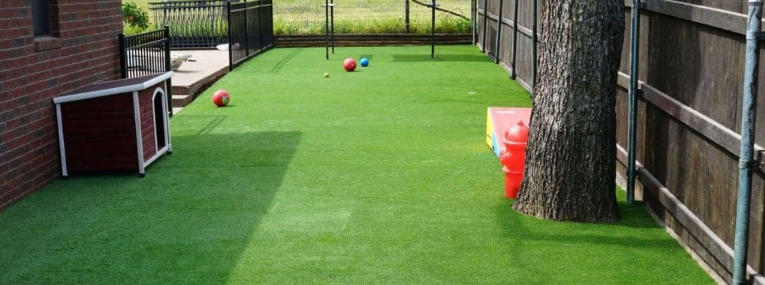
Creating a designated area for your dog’s bathroom needs in your backyard is essential for maintaining cleanliness and comfort in your outdoor space. Not only does this help in managing waste efficiently, but it also enhances the overall aesthetic of your yard. With the right ideas and materials, you can keep this area both functional and appealing.
Designating a Specific Area
Selecting a specific spot in your backyard for your dog to do their business is the first step toward an organized space. This area should be easily accessible and away from high-traffic zones where family activities occur. Using markers such as stones, fencing, or landscaping fabric can help define the space clearly and keep it from intruding on the rest of your yard.
Choosing the Right Surface Material
The choice of surface material can significantly affect the cleanliness of your dog’s designated bathroom area. Gravel or artificial turf are excellent options, as they allow for easy drainage and are simple to clean. Regularly raking or hosing down these surfaces helps to minimize odors and keep the area tidy. Additionally, using a material that’s easy on your dog’s paws ensures they feel comfortable while doing their business.
Implementing a Cleaning Routine
Establishing a consistent cleaning routine is crucial for maintaining hygiene in your dog’s bathroom area. This includes daily waste removal and periodic deep cleaning of the surface. Using pet-safe disinfectants can help eliminate odors and keep the area fresh. Additionally, providing a designated collection point for waste bags near the area encourages responsible cleanup and helps instill good habits.
By implementing these ideas, you can create a designated dog poop area that stays clean and keeps the rest of your backyard fresh and enjoyable. A little effort goes a long way in maintaining both your pet’s happiness and the cleanliness of your outdoor space. For more tips and personalized advice, consider exploring additional resources or consulting with pet care professionals.