
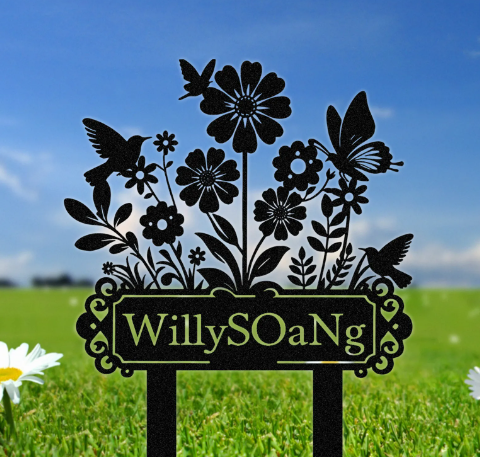
Transforming your outdoor space can be a fulfilling project, and one of the standout features to consider is custom signage. From personalized name signs to directional markers, custom signage adds a unique flair to your outdoor decor while enhancing functionality.
1. Choosing the Right Material for Custom Signage
Selecting the appropriate material for your outdoor signage is crucial for durability and aesthetics. Common materials include wood, metal, acrylic, and PVC. Each material has its advantages; for example, wood provides a rustic charm but may require maintenance, while metal offers robustness and modern appeal.
Consider the climate of your area when choosing a material. Humid or rainy environments might necessitate weather-resistant options like treated wood or aluminum, while areas with less moisture can accommodate a wider variety of materials without fear of deterioration. Think about the longevity and upkeep involved as well.
-
- Understand the climate: Choose materials that stand up to local weather conditions.
-
- Think about maintenance: Pick materials that suit your willingness to provide upkeep.
-
- Consider the look: Ensure the material matches your outdoor aesthetic.
-
- Seek local suppliers: Local sources can offer materials better suited to your environment.
2. Designing Your Custom Signage
Once you’ve selected the material, the design of your signage takes center stage. Consider your message—whether it’s your family’s name, an inspirational quote, or directional signage. A clear, captivating design will ensure that the message resonates well with visitors and complements your outdoor space.
Incorporate colors and fonts that align with your home’s exterior and landscaping. Use contrasting colors to ensure visibility from a distance. Don’t be afraid to mix creative elements—adding images or icons can make your signage even more inviting and personal.
-
- Sketch your initial ideas: Get creative with drafts before finalizing.
-
- Use a legible font: Ensure your text can be read easily from a distance.
-
- Choose colors wisely: Go for shades that harmonize with your landscaping and home.
-
- Incorporate art or symbols: Personalize your design with unique elements.
3. Effective Placement of Custom Signage
The placement of your custom signage is equally important as the design itself. Effective placement ensures that the sign stands out and serves its intended purpose. Consider high-traffic areas like entryways or pathways where visibility is key.
Height and angle also play a significant role in placement. For instance, signs should be at eye level for maximum impact, and they should be positioned where they aren’t obstructed by vegetation or furniture. Think about placement that enhances curiosity and entices guests to explore your space.
-
- Identify key locations: Choose busy areas like entrances or gardens.
-
- Maintain visibility: Avoid obstructions like bushes or furniture.
-
- Consider height: Position signs at eye level for better visibility.
-
- Test placements: Use temporary setup options to find the best spot.
4. Maintaining Your Custom Signage
To keep your custom signage looking fresh and inviting, regular maintenance is essential. The key is understanding what your chosen material requires. For example, wood signs may need periodic sealing to prevent rot, while metal signs may require touch-up paint to combat rust.
Clean your signs periodically to remove dirt and debris that can dull their appearance. Use appropriate cleaning tools depending on the material. A soft cloth and lukewarm water may suffice for most materials, but some may require specialized cleaners for best results.
-
- Schedule regular cleaning: Monthly maintenance keeps your sign like new.
-
- Check for wear: Inspect regularly for signs of damage or deterioration.
-
- Use gentle cleaners: Choose cleaning products appropriate for the material.
-
- Reapply finishes as needed: Sealants or paints should be reapplied periodically.
5. Adding Complementary Decor to Enhance Your Signage
Enhancing your custom signage with complementary outdoor decor can create a cohesive look. For instance, surrounding your sign with plants or flowers can draw attention and add natural beauty. Think about lighting as well; illuminated signs can make your space more welcoming during evening hours.
Consider using benches or decorative stones nearby, which could invite guests to rest and appreciate your outdoor area further. Incorporating lighting, such as solar-powered lamps or fairy lights, can elevate the aesthetic and functional aspects of your signage.
-
- Integrate plants: Use flowers or greenery for a lively backdrop.
-
- Consider lighting: Illuminated signs enhance beauty and visibility.
-
- Add furniture: Benches invite relaxation and appreciation of the space.
-
- Use natural materials: Stones or wood can complement the natural look.
In conclusion, custom signage is an excellent way to add personality and functionality to your outdoor space. By choosing the right materials, designing effectively, and ensuring proper maintenance, you can create beautiful decor that welcomes guests and showcases your unique style. Start planning your outdoor decor project today, and consider consulting with professionals for more personalized insights and options!