
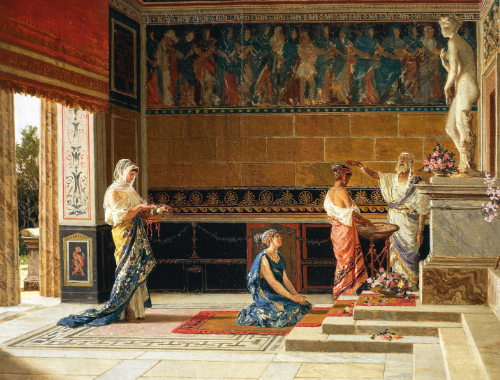
The Beginning of Worship: From Temple to Courtyard
“Aphrodite Cult” originally referred to the ancient Greek religious veneration of the goddess of love and beauty, a veneration typically centered around temples, altars, and sculptures. At that time, statues were not merely decorations, but also a medium connecting humanity and divinity. A typical aphrodite Greek goddess statue was placed in sacred spaces, symbolizing attraction, vitality, and harmonious relationships.
Over time, this sacred symbol gradually moved away from its religious context and into more everyday spaces. From temples to private gardens, this shift did not diminish its meaning, but rather made its symbolism more relatable to daily life.
Reinterpretation in Outdoor Spaces: The Construction of Beauty and Atmosphere
In modern outdoor decoration, the image of aphrodite is widely used in gardens, courtyards, and landscape design. Unlike the ancient emphasis on divinity, contemporary attention focuses more on the visual atmosphere it creates. A well-proportioned aphrodite Greek goddess statue can become the visual center of a space; its soft curves and classic posture add artistry and depth to the overall environment.
These sculptures often engage in a dialogue with natural elements: greenery, stone, and water features work together to create a balanced state, imbuing the space with a sense of history without being overly somber. The image of Aphrodite here acts as a “harmonizer,” connecting man-made design with the natural environment.
Materials and Placement: From Symbolic to Practical Choices
In practical applications, the choice of materials and location is crucial. Outdoor environments typically require weather-resistant materials such as resin, stone, or marble-like finishes, which can both recreate the classic texture and withstand prolonged sun and rain.
Ideal placements include entrances, garden path nodes, or near water features. A statue of the Aphrodite Greek goddess, when properly integrated with light and spatial flow, can naturally guide the eye while enhancing the overall spatial layering without appearing jarring.
Contemporary Significance: A Lifetime Extension of a Classic Symbol
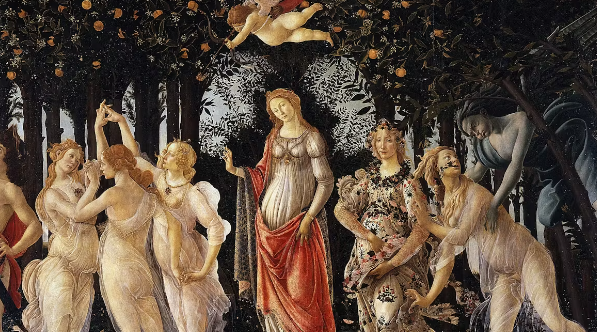
Today, “Aphrodite Cult” is no longer confined to religious or historical research but has become an aesthetic choice. By introducing this classic image, people imbue spaces with a softer, more artistic expression.
This transformation illustrates that classic symbols do not disappear with time, but rather acquire new functions in different contexts. From sacred worship to outdoor decoration, the image of Aphrodite continues to be reconstructed and plays a unique role in actual spaces.