
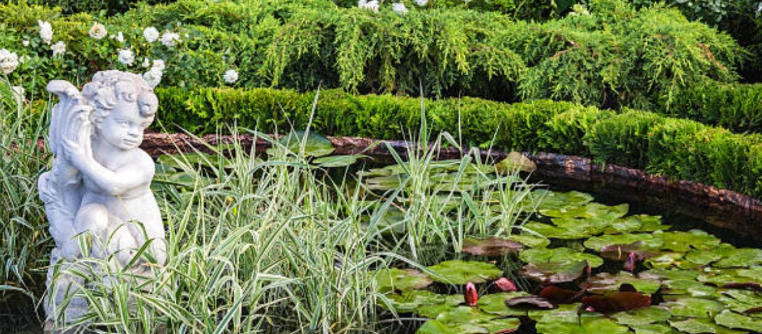
Selecting the right materials for outdoor entrance sculptures is essential for both functionality and visual appeal. These sculptures not only enhance the aesthetic of a space but also face varying weather conditions. Considering factors like durability, aesthetics, and maintenance ensures that your sculpture remains a stunning focal point for years to come.
Durable Materials for Longevity
When it comes to outdoor sculptures, durability is paramount. Materials like stone, metal, and concrete are excellent choices due to their resilience against weather elements. Granite and marble offer a timeless elegance while enduring harsh climates, making them popular for more traditional designs. Meanwhile, stainless steel and bronze resist rust and corrosion, ensuring that your sculpture retains its beauty even in challenging environments. Choosing a durable material means investing in a piece that will stand the test of time, reducing the need for replacements or extensive upkeep.
Aesthetic Appeal and Style
The aesthetic value of a sculpture can significantly impact the overall impression of your entrance. Natural materials like wood, while beautiful, may require more maintenance over time. However, they can bring warmth and an organic charm that some metals and stones may lack. On the other hand, sleek metals and polished stones convey a modern, sophisticated vibe, perfect for contemporary architecture. When selecting materials, consider how they align with the surrounding environment and your personal style. A carefully chosen sculpture can not only complement but also elevate the entrance, offering a welcoming statement to visitors.
Maintenance Considerations
One of the often-overlooked aspects of selecting materials for outdoor sculptures is maintenance. Each material involves different levels of care and attention. For instance, while concrete is low-maintenance, it may need sealing to protect against staining or weathering. Wood sculptures, while stunning, generally require regular sealing and treatment to prevent decay and insect damage. Metals may need occasional polishing to maintain their luster, but high-quality finishes can greatly reduce this need. Understanding the maintenance requirements can help you choose a material that not only fits your aesthetic vision but also meshes well with your lifestyle and willingness to invest in upkeep.
In conclusion, selecting the best materials for outdoor entrance sculptures involves balancing durability, aesthetics, and maintenance. Whether you prefer the timeless appeal of stone, the sleekness of metal, or the warmth of wood, each choice has its merits. To ensure your sculpture enhances your entrance beautifully for years to come, consider your local climate, your design preferences, and how much maintenance you’re willing to commit to. Interested in exploring more about outdoor sculptures or finding the perfect piece for your space? Dive deeper into the world of sculpture design and bring your vision to life!