
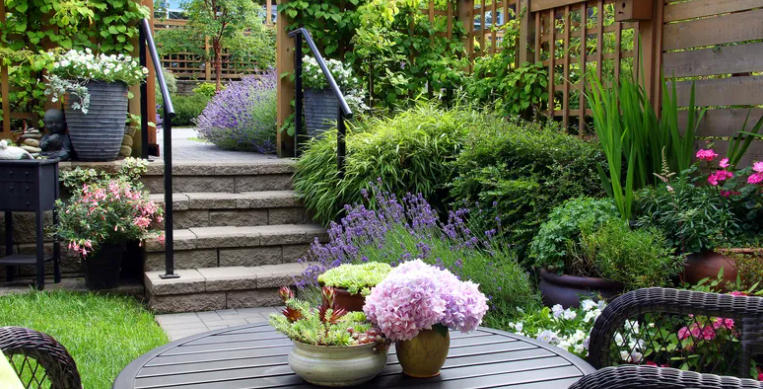
When enhancing the aesthetics and functionality of outdoor paths, selecting the right planters is crucial. Weather-resistant planters not only complement your landscape but also withstand various environmental conditions, ensuring they last for years. Understanding the various factors to consider can help you make the best choice for your outdoor spaces.
Materials Matter in Durability
One of the first things to consider is the material of the planters. Common options include ceramic, metal, wood, and plastic, each with its pros and cons. For instance, ceramic planters are stylish and offer great insulation but can crack in extreme temperatures. Metal planters tend to be very sturdy but may require protective coating to prevent rust. Meanwhile, durable plastic and resin planters are lightweight and resistant to fading, making them ideal for seasonal changes. You’ll want to select a material that not only suits your climate but also aligns with your overall design aesthetic.
Design and Size: Finding the Perfect Fit
The design and size of your weather-resistant planters play a vital role in their effectiveness. When choosing a planter, consider the scale of your outdoor pathway. Oversized planters can create an imposing presence, while small ones may get lost in a larger landscape. Additionally, it’s essential to think about the plants you want to display. Ensure that the planter has adequate drainage and enough space for roots to grow. Coordinating the color and style of the planters with existing elements of your garden or walkway will take your outdoor design to the next level.
Maintenance Requirements: A Practical Approach
It’s essential to evaluate maintenance when selecting planters for outdoor paths. Weather-resistant materials like fiberglass, resin, and treated wood often require minimal upkeep and can stand up to the elements effectively. On the other hand, organic materials like terracotta or untreated wood may need regular sealing or protective treatments to prevent damage from moisture and temperature changes. Before making your selection, consider how much time and effort you’re willing to dedicate to maintenance throughout the seasons. Choosing low-maintenance options can ensure that your outdoor paths remain beautiful and inviting without requiring constant attention.
In Conclusion
Selecting the right weather-resistant planters for your outdoor paths can make a significant difference in both durability and visual appeal. By considering materials, design, size, and maintenance requirements, you can find the perfect fit for your garden or pathway. Explore your options and transform your outdoor spaces into vibrant, welcoming areas. Whether you’re looking to refresh your existing decor or starting from scratch, choosing the right planters is a step in the right direction!