
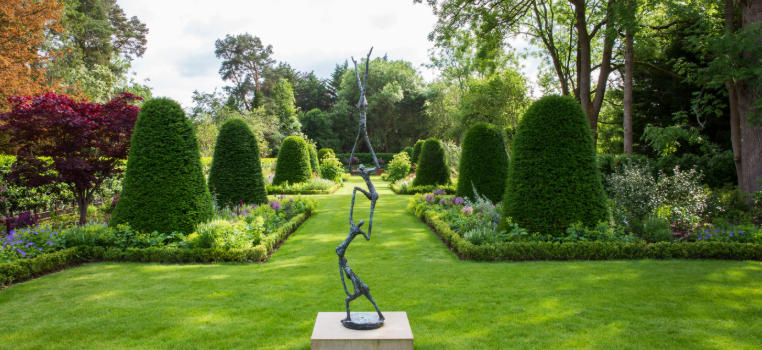
Creating a striking first impression is essential, and positioning sculptures at your entrance can dramatically elevate your space’s visual appeal. By thoughtfully arranging these artistic pieces, you can set the tone for the entire area, making it more inviting and memorable. Here are some tips and considerations to keep in mind when deciding how to position sculptures for a grand entrance.
Choosing the Right Sculpture
The first step in enhancing your entrance with sculpture is carefully selecting pieces that resonate with the style and purpose of the space. Consider the architectural features of the entrance—if it’s modern, you might opt for sleek, abstract sculptures; if it’s traditional, classical figures or busts may suit better. Additionally, think about the emotional response you want to elicit. For example, a playful sculpture can evoke joy, while a serene piece may instill calmness. Ultimately, the right sculpture should harmonize with the surroundings and convey the desired atmosphere to visitors.
Finding the Perfect Spot
Once you have chosen your sculptures, the next step is determining their placement. Generally, positioning sculptures at eye level makes them more engaging and allows for easy appreciation. Consider placing a larger piece at the focal point of the entrance, such as near a door or along a walkway, to draw attention immediately. Flanking the entrance with smaller sculptures can create a balanced effect, guiding visitors’ eyes naturally towards the main feature. Additionally, be mindful of the surrounding space; ensure that the sculptures are not too crowded or obstructing pathways, as this can detract from their impact.
Lighting and Maintenance Considerations
Lighting can dramatically affect how sculptures are perceived, making it an essential element in your design. Natural light is ideal, so consider positioning sculptures where they can be illuminated by sunlight during the day. For evening ambiance, use soft, warm fixtures to highlight the sculptures, casting gentle shadows that enhance their features. Additionally, consider the maintenance of your sculptures based on their material. Outdoor pieces may require weather-resistant finishes, while indoor sculptures might need regular dusting. Keeping them in good condition will ensure they continue to contribute to the entrance’s visual appeal over time.
In conclusion, positioning sculptures effectively can transform your entrance into an artistic statement that impresses guests from the moment they arrive. By carefully selecting the right pieces, finding the perfect spot, and considering lighting and maintenance, you can create a welcoming atmosphere that reflects your style. Explore more about enhancing your space with art, and consider incorporating sculpture into your next design project!