
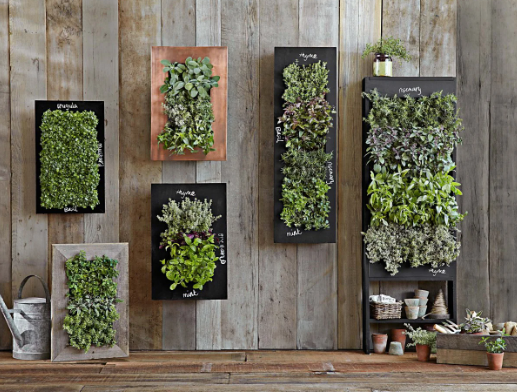
Vertical gardens are a fantastic way to bring life and color into your living space. Not only do they beautify your interior or exterior walls, but they also purify the air and create a unique focal point. In this blog post, we will explore various vertical garden wall decor inspirations to help you turn any wall into a lush, green oasis.
1. Living Wall Art: Transform Your Walls
One of the most creative ways to implement a vertical garden is by treating it as a piece of living wall art. You can frame sections of plants in unique shapes or create a specific design that adds personality to your space. For instance, using a circular frame filled with moss and small succulents can make a stunning visual element, contrasting beautifully against a minimalist wall.
Consider combining different textures, colors, and types of plants to create depth and interest. Vertical succulent gardens have become increasingly popular, and with the wide variety of species available, you can curate a visually striking arrangement. Moreover, incorporating elements like driftwood or stones can enhance the natural aesthetic and tie your design together.
-
- Select a range of plant sizes for various visual effects.
-
- Use colorful planters or frames to enhance the overall design.
-
- Mix textures—pair softer plants with sharper, architectural ones.
-
- Plan your layout on paper before installation to visualize the final product.
2. Indoor Vertical Gardens: Space Savers with Style
If you’re limited on space but want to incorporate greenery, indoor vertical gardens are your best bet. They can be installed in small apartments or tight corners, maximizing your available area without overcrowding. Wall-mounted planters are perfect for herbs, small flowers, or trailing plants, giving you both beauty and practicality.
Make use of an irrigation system or self-watering pots to keep maintenance low. Using lightweight materials like felt or plastic can lighten the load on your walls while allowing easy rearrangement as your plant needs change. Don’t forget, the right choice of plants, such as pothos, ferns, or peace lilies, will flourish in various indoor conditions.
-
- Choose plants that thrive indoors and require low light.
-
- Use modular systems that allow for future adjustments.
-
- Ensure your wall can support the weight of the plants and soil.
-
- Implement an irrigation system to reduce maintenance hassle.
3. Outdoor Vertical Gardens: Enhance Your Outdoor Spaces
Outdoor vertical gardens can create a stunning backdrop for patios, balconies, or garden walls. Using trellises or wall-mounted pots, you can showcase climbing plants like ivy or flowering vines, which can add height and drama to your garden. An outdoor wall covered with flowering plants will create a vibrant and inviting atmosphere.
Don’t forget to consider local climate conditions when choosing your plants. Opt for hardy varieties if you’re in an area with extreme temperatures. Additionally, incorporating features like vertical planters with integrated irrigation systems can help keep your garden looking lush and vibrant throughout the year.
-
- Choose hardy plants suitable for your local climate.
-
- Consider using an irrigation system to ensure consistent watering.
-
- Incorporate colors and textures that complement surrounding plants and furniture.
-
- Use recycled materials creatively for planters to enhance the eco-friendly approach.
4. Vertical Vegetable Gardens: Grow Your Own Food
Why not take your vertical gardening a step further by growing your own food? Vertical vegetable gardens offer an excellent way to cultivate herbs, salads, and other vegetables while saving space. Utilizing vertical planters or pocket gardens, you can have fresh produce at your fingertips without taking up much room.
When planning your vertical vegetable garden, select plants that grow well in smaller spaces. Consider herbs like basil, mint, or thyme, and vegetables like salad greens, cherry tomatoes, or even strawberries. Ensuring you have an adequate light source (natural or artificial) will be key to your success.
-
- Choose vegetables that require less space and are easy to care for.
-
- Make sure your vertical garden gets adequate sunlight.
-
- Implement a schedule for watering that fits your plants’ needs.
-
- Consider using organic fertilizers to promote healthy growth.
5. Maintenance Tips: Keep Your Vertical Garden Thriving
To keep your vertical garden looking its best, regular maintenance is essential. Nutrient management through appropriate fertilizers and watering schedules will directly impact the health of your plants. Pay attention to soil conditions and consider the use of potting soil specifically formulated for vertical gardening.
Another critical aspect of maintenance is pruning and harvesting. Regularly trim back plants that overgrow their designated area to promote health and encourage bushier growth. Ensure to remove any dead or dying leaves to prevent pests from taking root.
-
- Check your plants weekly for pests and diseases.
-
- Fertilize regularly based on plant type.
-
- Prune as needed to keep plants healthy and manageable.
-
- Monitor moisture levels to avoid over/under-watering your vertical garden.
Creating a vertical garden wall can turn any space into a visually appealing oasis. Whether you’re an experienced gardener or a beginner, there’s much you can do to enhance your environment. So, get inspired, gather your materials, and start your vertical gardening journey today!