
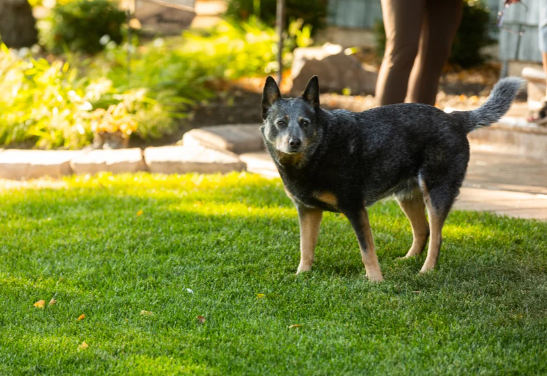
Creating a beautiful outdoor space is a priority for many homeowners, especially those who take pride in their yard as part of their overall outdoor décor. However, if you share your space with pets, lawn care requires a more thoughtful approach. Balancing aesthetics with safety is essential to ensure your lawn remains both visually appealing and pet-friendly.
Understanding the Risks of Conventional Lawn Care
Many traditional lawn care practices rely heavily on chemical fertilizers, herbicides, and pesticides. While these products are effective in achieving a lush, green lawn, they can pose serious risks to pets. Dogs and cats often come into direct contact with treated grass, and they may ingest harmful residues by licking their paws or chewing on plants.
Common symptoms of exposure include skin irritation, digestive issues, and in severe cases, long-term health complications. For homeowners focused on outdoor design, it’s important to recognize that a pristine lawn should not come at the expense of your pet’s well-being.
Choosing Pet-Safe Grass Varieties
Selecting the right type of grass is a foundational step in creating a safe lawn environment. Some grass varieties are more durable and better suited for pet activity, while also requiring fewer chemical treatments.
- Perennial Ryegrass: Known for its resilience and quick germination, it recovers well from wear and tear caused by pets.
- Kentucky Bluegrass: Offers a soft texture and dense growth, making it comfortable for pets to play on.
- Fescue Blends: Particularly tall fescue, which is drought-resistant and hardy under heavy use.
These grasses not only enhance the visual appeal of your outdoor space but also reduce the need for intensive maintenance.
Natural Lawn Care Alternatives
To maintain a healthy lawn without compromising safety, consider switching to organic or natural lawn care solutions. These methods align well with sustainable outdoor design trends and are safer for pets.
- Organic Fertilizers: Derived from natural sources like compost, bone meal, or seaweed.
- Manual Weed Control: Hand-pulling weeds or using tools instead of chemical herbicides.
- Natural Pest Control: Introducing beneficial insects or using pet-safe repellents like neem oil.
Incorporating these practices supports a healthier ecosystem in your yard while maintaining a polished, decorative appearance.
Managing Pet Impact on Your Lawn
Pets, especially dogs, can cause damage to grass through digging, running, and urine spots. Addressing these issues proactively helps preserve both the functionality and beauty of your lawn.
- Designated Pet Areas: Create specific zones using gravel, mulch, or artificial turf for high-traffic activities.
- Training and Routine: Encourage pets to use certain areas consistently.
- Dilution Techniques: Watering spots immediately after urination can minimize discoloration.
From an outdoor décor perspective, these solutions can be seamlessly integrated into your landscape design, adding both structure and visual interest.
Creating a Harmonious Outdoor Space
A pet-friendly lawn does not mean sacrificing style. In fact, thoughtful planning can elevate your outdoor space. Consider incorporating elements such as decorative pathways, raised garden beds, and shaded lounging areas that accommodate both pets and people.
Using natural materials like stone, wood, and eco-friendly ground covers enhances the aesthetic while maintaining safety. Additionally, selecting non-toxic plants ensures that your garden remains both beautiful and secure for curious pets.
Maintenance Tips for Long-Term Success
Consistency is key when managing a pet-safe lawn. Regular mowing, proper watering, and soil aeration all contribute to a healthier turf. Avoid over-fertilizing, and always verify that any product used is labeled as pet-safe.
Routine inspections can help you identify potential hazards early, such as sharp objects, toxic plants, or pest infestations. By staying proactive, you can maintain a lawn that complements your outdoor décor while supporting your pet’s health.
Conclusion
Designing a lawn that is both visually appealing and safe for pets requires a strategic approach. By choosing the right grass, adopting natural care methods, and integrating thoughtful design elements, you can create an outdoor space that meets both aesthetic and functional needs. A well-maintained, pet-friendly lawn not only enhances your home’s exterior but also provides a safe haven for your furry companions.