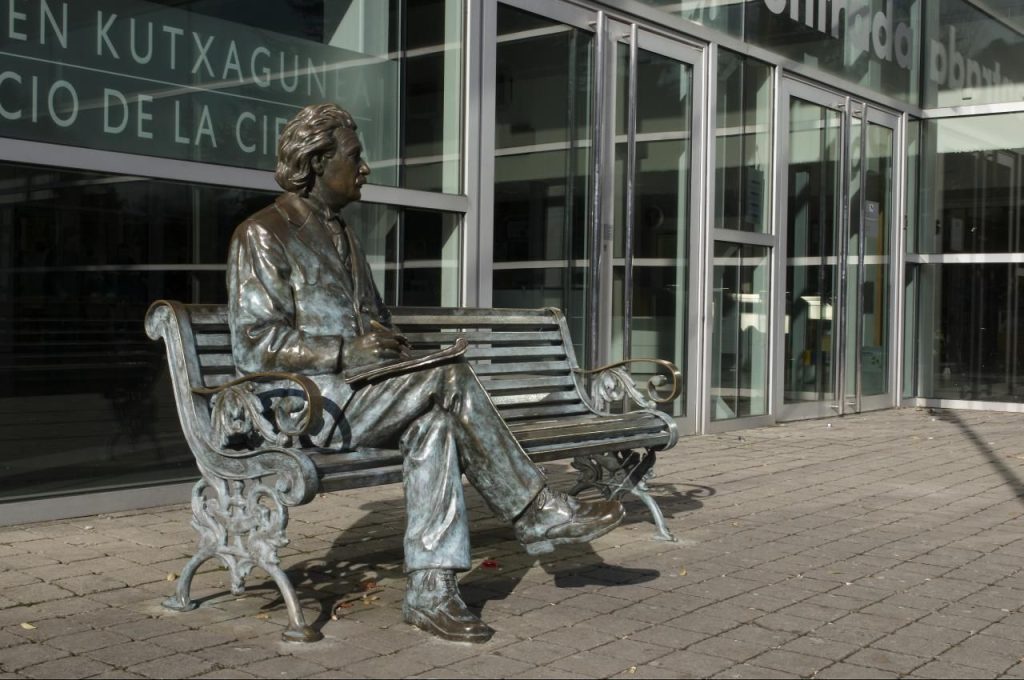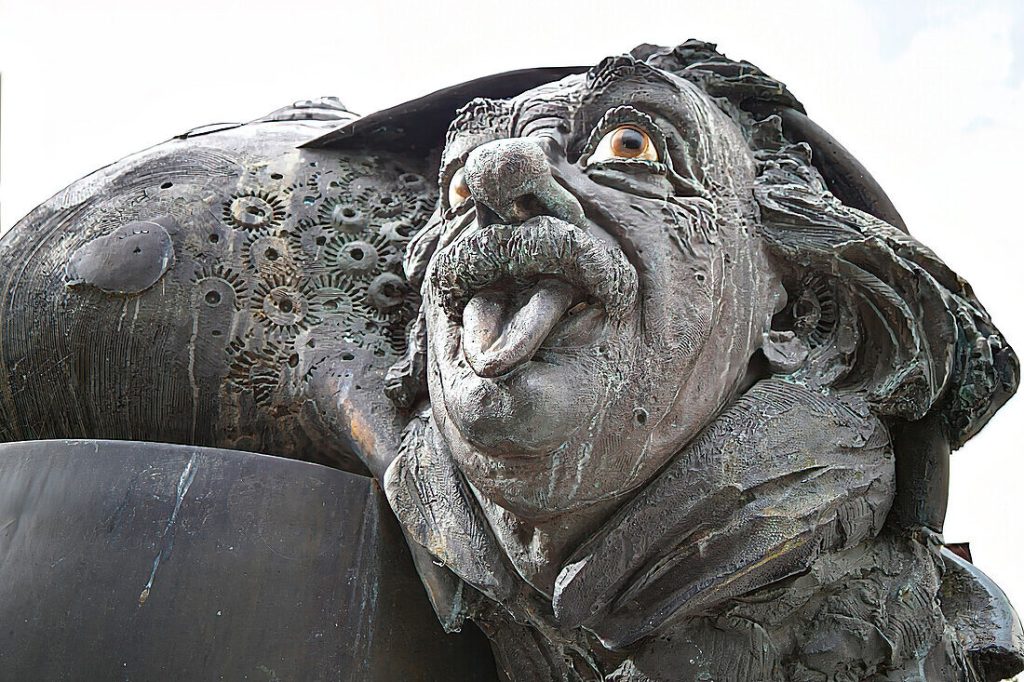
In the realm of public spaces and outdoor decoration, figurative sculptures not only serve an aesthetic function but are also often imbued with symbolic meaning. Scientist-themed sculptures, exemplified by the Albert Einstein bronze statue, are increasingly appearing in campus squares, city parks, and open courtyards, becoming an outdoor decoration choice that combines cultural depth with visual appeal.
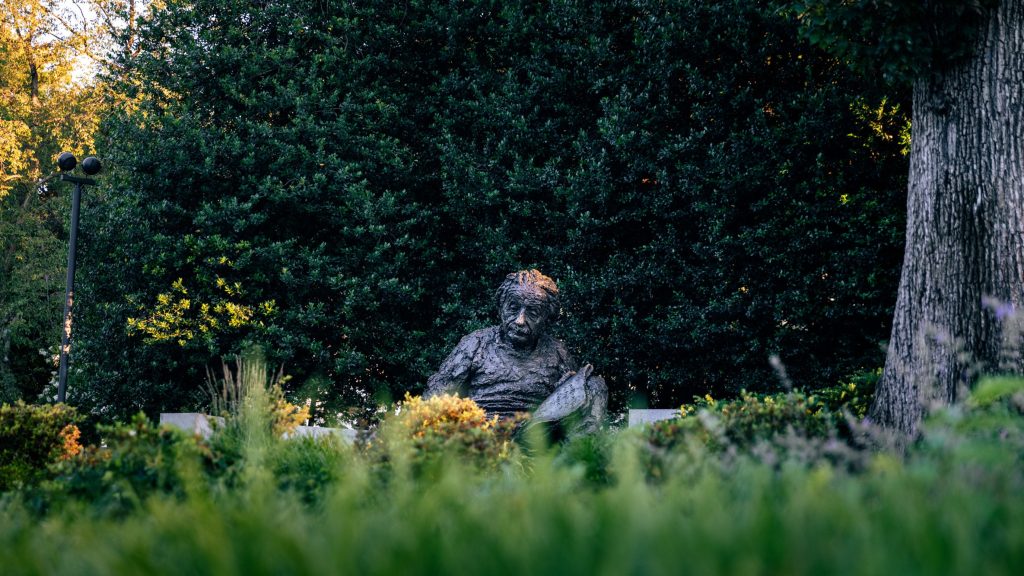
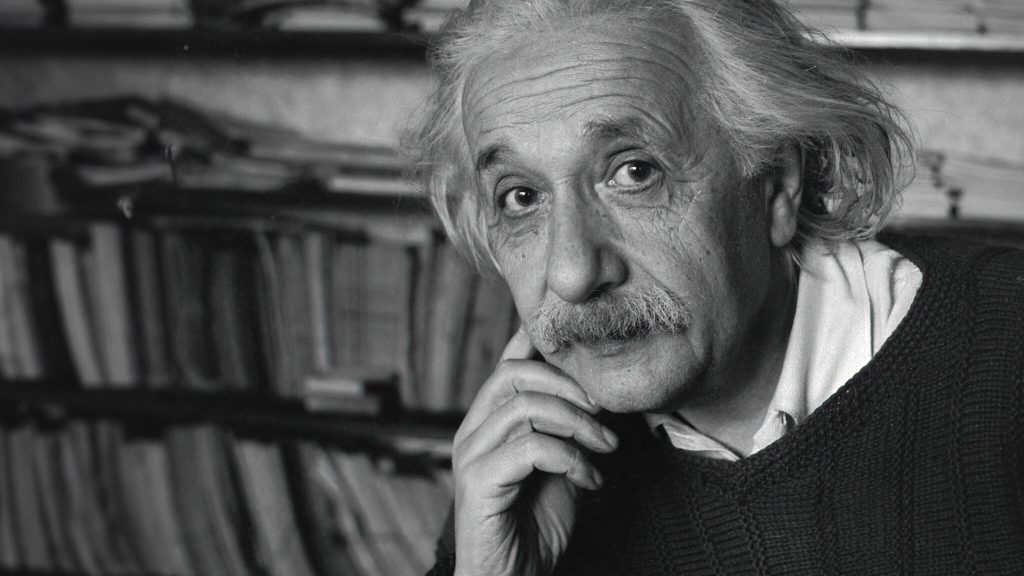
Einstein’s image itself is highly recognizable. His slightly disheveled hair, focused expression, and casual yet resolute posture allow the sculpture to remain a visual focal point even in natural environments. Compared to other decorative themes, the Albert Einstein bronze statue emphasizes spiritual expression, symbolizing rationality, exploration, and respect for knowledge. This is a key reason why many educational institutions and public spaces favor the Einstein statue.
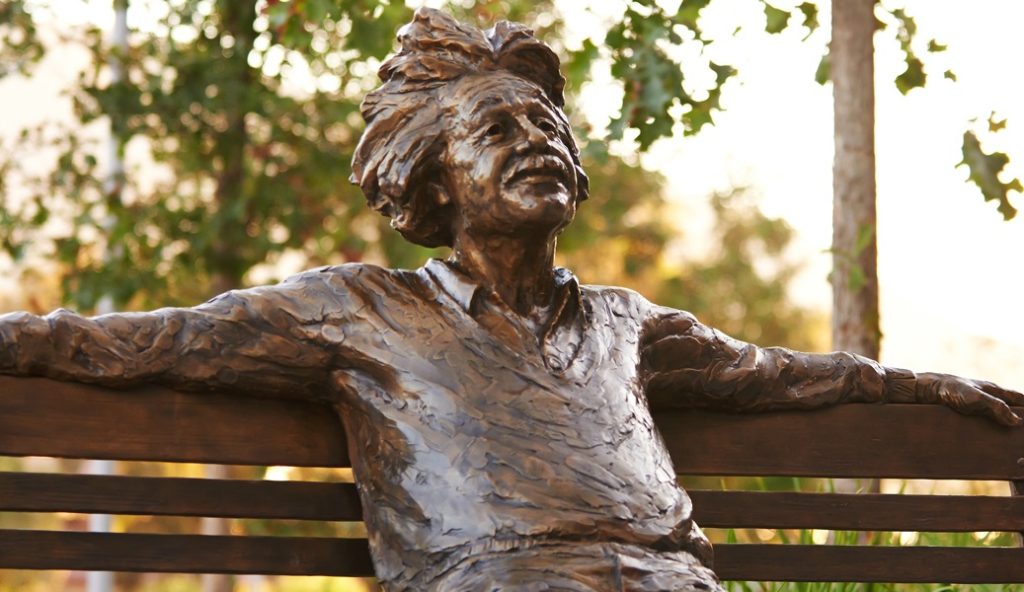
From the perspective of the outdoor environment, figurative sculptures often need to harmonize with the surrounding landscape. The Einstein theme does not pursue exaggerated poses, but rather integrates into the space with a calm and understated form. Whether placed in a corner of a lawn, alongside a walkway, or as the visual center of a square, it enhances the cultural depth of the space without disrupting the overall landscape.
In contemporary outdoor decoration trends, people are increasingly valuing “meaningful content” over mere decorative elements. The Albert Einstein bronze statue embodies this trend. It is not only an outdoor artwork but also a long-term expression of thought, education, and human wisdom, giving outdoor spaces a spiritual connotation that can be repeatedly contemplated and appreciated, beyond mere aesthetics.