
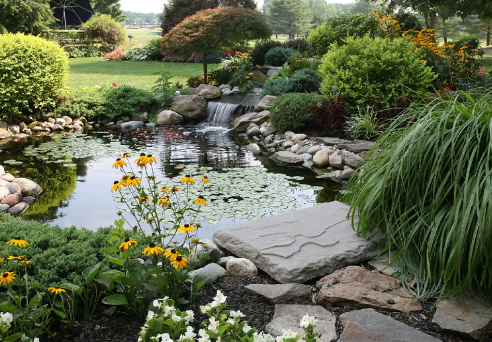
Creating Harmony Between Sculpture and Pathway Plants
In landscaping, the integration of sculptures and pathway plants can significantly enhance the aesthetic appeal of any outdoor space. Achieving harmony between these elements involves careful design considerations, from choosing complementary materials to selecting colors that resonate with one another. This guide provides strategies for creating balance and beauty in your garden through thoughtful integration.
Designing with Cohesive Materials
When selecting sculptures and plants, the materials used play a crucial role in establishing harmony. Choose sculptures that reflect the textures found in nearby plants. For example, a smooth stone sculpture can contrast beautifully with the rough textures of bark or foliage. Additionally, consider using similar colors in both your sculpture and the surrounding plants. By choosing a consistent material palette—such as metals, stone, or wood—you can create a cohesive look that ties together the elements of your garden, making it feel intentional and well-crafted.
Balancing Scale and Proportion
The scale of your sculpture in relation to the pathway plants is vital in creating visual interest and harmony. A large sculpture can dominate a space, while small sculptures might get lost among lush plants. Aim for a balance where sculptures enhance rather than overshadow the surrounding foliage. For instance, a tall sculpture can be effectively paired with low-growing plants for contrast, or a set of smaller sculptures can be grouped to create a focal point within a larger planting scheme. Understanding the proportions of each element is key to achieving a harmonious arrangement.
Choosing Colors for a Unified Look
Color selection is another essential factor in harmonizing sculptures with pathway plants. Use the color wheel to guide you in choosing complementary or analogous colors that work well together. Warm tones in your plants can be mirrored in the hues of your sculpture, while cooler tones can create a serene atmosphere. Additionally, consider seasonal changes; ensure that the colors of your plants not only look good together now but will continue to do so throughout different times of the year. By planning for color continuity, you can create a living work of art that evolves beautifully with the seasons.
In conclusion, bringing together sculptures and pathway plants requires a thoughtful approach to materials, scale, and color. With careful consideration, you can create a harmonious and inviting outdoor space that captivates and inspires. For more tips on landscaping and design, explore further or consult with a landscape professional to take your garden to the next level!