
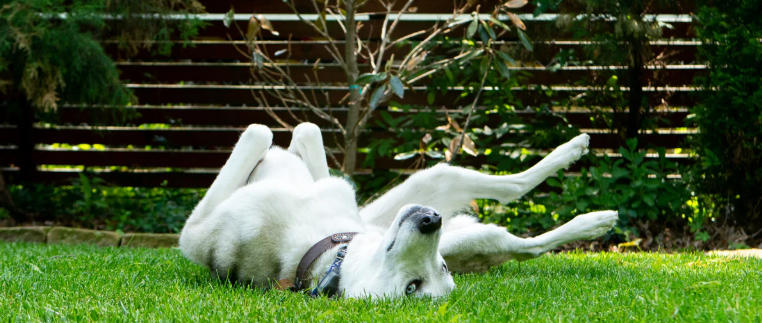
Creating a safe environment for pets is crucial for their health and well-being, especially when it comes to lawn treatment. Many standard lawn care products contain toxic chemicals that can pose serious risks to animals. Understanding safe alternatives and best practices helps pet owners maintain their lawns while keeping their furry friends safe.
Understanding Toxic Lawn Care Products
Numerous lawn care products contain hazardous ingredients such as herbicides, pesticides, and fertilizers that can harm pets. Common symptoms of poisoning include vomiting, diarrhea, and lethargy; in severe cases, exposure can be fatal. It’s essential for pet owners to read labels carefully and research the ingredients in these products to avoid potential dangers.
Choosing Pet-Friendly Lawn Care Solutions
Fortunately, there are many pet-safe alternatives available that are both effective and environmentally friendly. Organic fertilizers made from natural ingredients provide nutrients without the harmful chemicals. Additionally, natural pest control methods like diatomaceous earth or neem oil can effectively manage pests without posing risks to pets. Implementing these alternatives allows pet owners to maintain a healthy lawn while ensuring the safety of their animals.
Best Practices for Lawn Treatment Around Pets
Establishing safe practices around lawn treatment can significantly reduce risks to pets. Timing your lawn treatments strategically is vital; consider applying treatments when pets are inside and restrict their access for several hours afterward. Regularly rinsing any chemically treated areas with water can help dilute residues. Moreover, creating designated play areas for pets can help keep them away from treated sections of the yard.
Incorporating safe lawn treatments not only protects pets but also contributes to a healthier environment. With the right knowledge and choices, pet owners can create a safe and beautiful outdoor space for their beloved animals. To learn more about safe lawn care practices, consider consulting with a veterinarian or a lawn care specialist who understands the needs of pet owners. Taking proactive steps ensures a happy and safe home for both pets and people.